
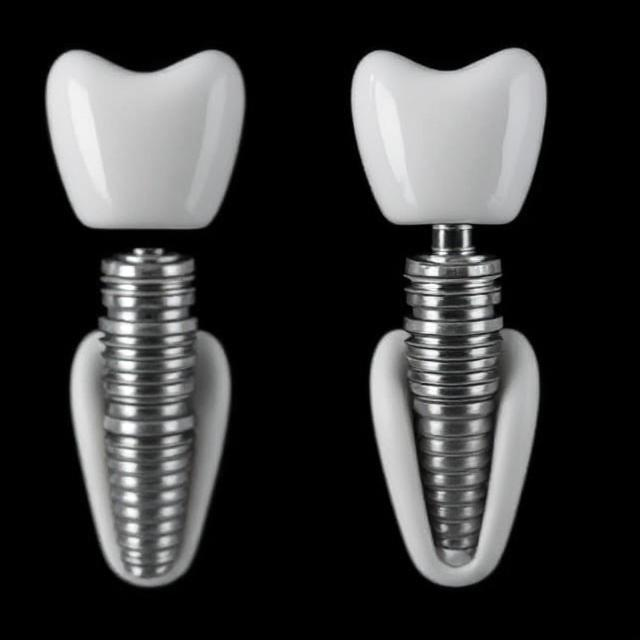
Have you recently undergone dental implant surgery or are you considering this restorative option for your missing teeth? Whether you're a current recipient or exploring the possibility, it's essential to learn about the procedure and aftercare to ensure a successful outcome
Dental implants are highly regarded in Dentistry for their durability and success rate, which stands at an impressive 90–95%. To help you better understand the post-surgery phase, we've compiled and answered some of the most commonly asked questions about dental implant aftercare. Our goal is to provide you with professional tips and advice to guide you through the healing process
Let's dive in!
What Should I Eat After Dental Implant Surgery?
Can I Exercise After Dental Implant Surgery?
How Can I Speed Up Healing After Dental Implants?
Why Do I Experience Dental Implant Pain?
Minor discomfort post-surgery is normal, but severe pain or persistent discomfort should be addressed with your doctor. Pain after the recovery period could indicate issues like infections, misalignment, bone loss, or nerve damage, requiring prompt attention.
How Often Should Dental Implants Be Checked?
Can Dental Implants Get Infected?
Yes, dental implants can become infected. Peri-implantitis is a significant inflammatory condition that impacts the gums surrounding dental implants, resulting in the loss of bone tissue. If you notice symptoms like swollen, tender, or bleeding gums, difficulty chewing, or a loose implant, seek immediate medical attention.
How Do I Clean Dental Implants After Surgery?
How Long Does It Take for Dental Implants To Heal?
The healing timeline varies from person to person. Complete osseointegration may take 2-6 months or longer. Following osseointegration, the artificial tooth placement typically occurs in a single dental visit.
Can Dental Implants Loosen Over Time?
There is a possibility of dental implants loosening due to several factors, such as infection, poor placement, trauma, bone deterioration, gum disease, and inadequate osseointegration. If you experience bleeding gums, discomfort, or a loose implant, promptly consult your doctor for proper evaluation and treatment.
In conclusion, dental implants offer an exceptional solution for restoring your smile, and their success lies in diligent aftercare and hygiene. Familiarizing yourself with these common questions and answers about dental implant aftercare will empower you to navigate the healing process confidently and ensure long-term success. If you have further questions or concerns, we welcome you to schedule a consultation with our team of experts.

Monday |
9.00- 5.00Pm |
Tuesday |
9.00- 5.00P9 |
Wednesday |
9.00- 5.00Pm |
Thursday |
9.00- 5.00Pm |
Friday |
9.00- 5.00Pm |
Saturday |
9.00- 5.00Pm |
Sunday |
Closed |